
Economic Reforms Restoring Confidence, Ensuring Sustainable Growth — Tinubu
President Bola Tinubu says economic reforms are strengthening investor confidence and laying the foundation for sustainable growth, jobs and shared prosperity.
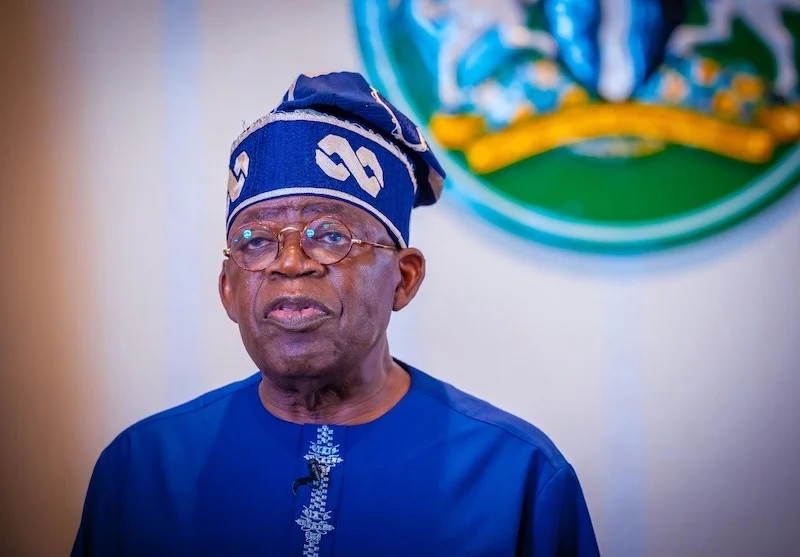
President Bola Tinubu has said his administration’s economic reforms are restoring confidence among investors and businesses, strengthening Nigeria’s economic foundations and creating conditions for sustainable growth.
Tinubu stated this on Monday, October 26, while declaring open the 32nd Nigerian Economic Summit in Abuja. He was represented at the event by Vice-President Kashim Shettima.
The summit, themed “Growth That Works: Delivering Jobs, Productivity and Shared Prosperity,” brought together government officials, business leaders and other stakeholders to discuss strategies for improving productivity, creating jobs and expanding economic opportunities.
According to the President, the administration began with difficult economic adjustments because Nigeria could not achieve lasting growth without addressing longstanding structural problems.
He said the reforms were designed to remove barriers that had prevented the country from fully benefiting from its human and natural resources.
“Rescuing the economy means rescuing livelihoods and transforming the fortunes of young jobseekers, farmers, manufacturers, entrepreneurs and innovators,” Tinubu said.
He stressed that economic progress should be measured not only through headline statistics but also by improvements in employment, productivity, living standards and opportunities for businesses to expand.
Tinubu cited National Bureau of Statistics figures showing that Nigeria’s inflation-adjusted gross domestic product grew by 3.89 per cent in the first quarter of 2026, compared with 3.13 per cent in the corresponding period of 2025.
He also stated that non-oil activities accounted for 96.08 per cent of gross domestic product, while manufacturing grew by 3.29 per cent during the period.
On investment, the President reported that capital importation reached $10.37 billion in the first quarter of 2026, representing an increase of 83.83 per cent compared with the same period in 2025.
He said the government would continue easing regulatory burdens, strengthening transparency and policy predictability, and expanding access to finance.
Tinubu also highlighted plans to improve agricultural productivity through irrigation, mechanisation, rural infrastructure and stronger connections between farms, processing facilities and markets. In the solid minerals sector, he said the administration was seeking to promote domestic processing and industrial production rather than relying primarily on raw-material extraction.
However, he acknowledged that the work remained unfinished, stressing that economic reforms must ultimately produce quality jobs, reduce underemployment and improve livelihoods.
United Nations Deputy Secretary-General Amina Mohammed acknowledged progress while urging the government to consolidate the gains, stabilise the reforms and manage public expectations.
Finance Minister Taiwo Oyedele also presented a proposed Nigerian Economic Policy Framework intended to guide economic decision-making, with emphasis on enterprise, fair markets, economic stability and productivity.
Sponsored

Related stories
 News
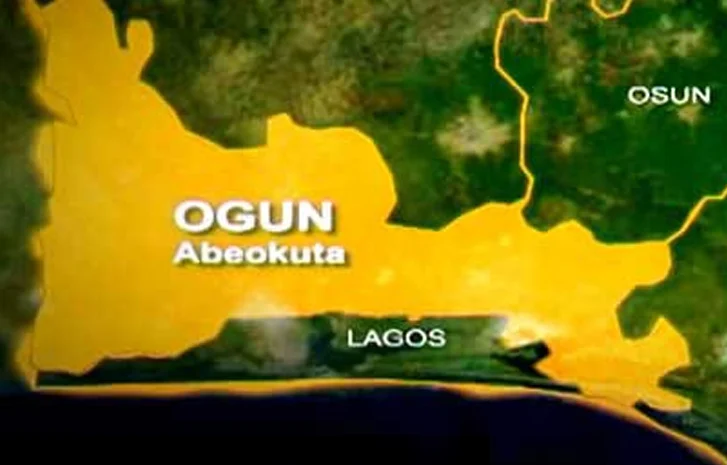
Ogun Man Jailed For Counterfeiting Coleman Cables
An Ogun State court has sentenced Samson Okonkwo to imprisonment without an option of fine for selling counterfeit Coleman electrical cables.
 News
Beyond Spouting Statistics, Peter Obi Has Nothing To Offer — Shettima
Vice-President Kashim Shettima has criticised Peter Obi’s economic proposals while defending the Tinubu administration’s decision to remove petrol subsidy.
 News
Microsoft Offers Voluntary Exit Packages To 60,000 Staff
Microsoft has introduced voluntary exit packages for about 60,000 employees across four countries as it adjusts its workforce amid heavy investment in artificial intelligence.
 News
Military Strikes ISWAP Enclaves In Lake Chad, Kills 16 Terrorists
Nigerian military airstrikes targeting insurgent positions around Lake Chad reportedly killed 16 fighters as Operation Hadin Kai intensified counterterrorism operations.
Comments (0)
Leave a comment
All comments are moderated before publishing. Your email is never published.