
Concacaf Rejects FIFA Proposal to Sell World Cup Stakes
Concacaf unanimously rejects FIFA’s World Cup investment proposal, citing governance concerns, transparency issues and rushed decision-making.
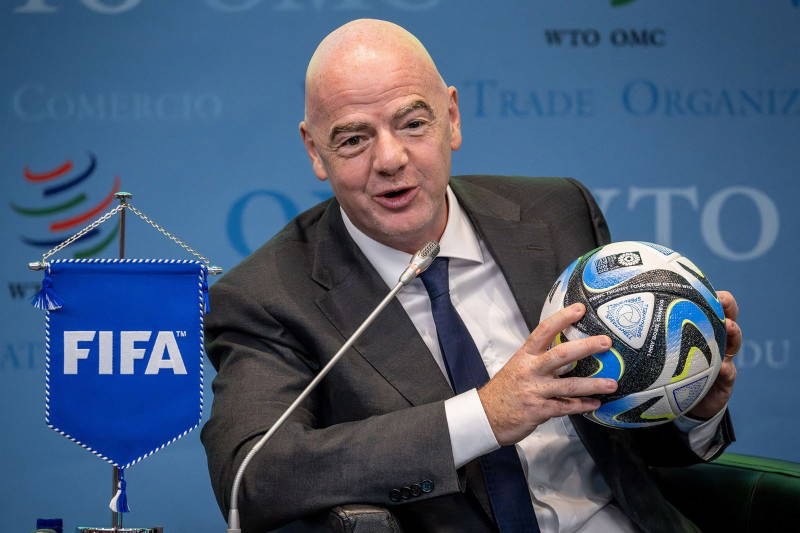
The Confederation of North, Central America and Caribbean Association Football (Concacaf) has unanimously rejected FIFA’s proposal to sell stakes in the FIFA World Cup to private investors.
The decision was reached on Thursday after representatives of all 41 Concacaf member associations met to discuss the proposal, with delegates voting against the plan.
According to reports, the meeting highlighted growing concerns among member associations over FIFA’s leadership and the process surrounding the proposal.
Sources familiar with the discussions said several delegates expressed diminishing confidence in FIFA president Gianni Infantino, while others raised concerns about governance, transparency and decision-making within world football’s governing body.
Following the meeting, Concacaf issued a statement confirming that its membership had rejected the proposal.
The confederation said member associations were dissatisfied with what they described as a lack of due process and inadequate consultation before the proposal was presented.
It also criticised the short timeline given for consideration of the proposal, arguing that such a significant decision required broader discussions and approval through FIFA’s established governance structures.
Concacaf questioned the rationale behind seeking private equity investment, noting that the FIFA World Cup remains one of the most profitable sporting events globally.
The organisation said members were unconvinced that external investment was necessary to finance existing and future FIFA Forward development programmes.
“The discussion reinforced the need for greater transparency and proper governance,” Concacaf said.
“For these reasons, Concacaf and its 41 member associations have rejected the proposal.”
The decision comes shortly after UEFA also voiced opposition to the proposal, with reports indicating that Europe’s governing body and its 55 member associations could boycott FIFA competitions, including the World Cup, if the commercial plans move forward.
FIFA, however, has defended the proposal, insisting that it is designed to establish a FIFA-owned commercial subsidiary capable of attracting long-term investment and commercial expertise while maintaining FIFA’s ownership and full control of the World Cup.
According to the governing body, the proposed structure would strengthen its financial capacity without compromising its authority over football’s flagship tournament.
Concacaf’s unanimous rejection represents another significant setback for FIFA’s commercial ambitions, with opposition now emerging from multiple football confederations.
The development is expected to intensify discussions over the future commercial structure of the World Cup and the governance of international football in the coming months as stakeholders continue to debate the proposal.
Sponsored

Related stories
 Sports
UCL: Osimhen Battle-Ready for Barcelona — Galatasaray Coach
Galatasaray assistant coach confirms Osimhen is fit for Barcelona after his groin injury comeback this weekend.
 Sports
Olympics Qualifier: Nnadozie Warns Falcons Ahead of Comoros Rematch
Chiamaka Nnadozie urges the Super Falcons to avoid complacency as they seek to complete their Olympic qualifying campaign against Comoros.
 Sports
Ronaldo Nets 981st Career Goal in Al-Nassr Win
Cristiano Ronaldo scored his 981st career goal as Al-Nassr defeated Uzbekistan’s Neftchi Fergana 3-1 in Riyadh.
 Sports
EPL: Crystal Palace Come Back to Beat Forest; Hull Draw with Everton
Palace beat Forest after trailing, while Hull and Everton shared four goals in a draw.
Comments (0)
Leave a comment
All comments are moderated before publishing. Your email is never published.