
Civil War: How Awolowo Saved Murtala; Why I Spared Ojukwu — Gowon
Civil War: How Awolowo Saved Murtala; Why I Spared Ojukwu — Gowon
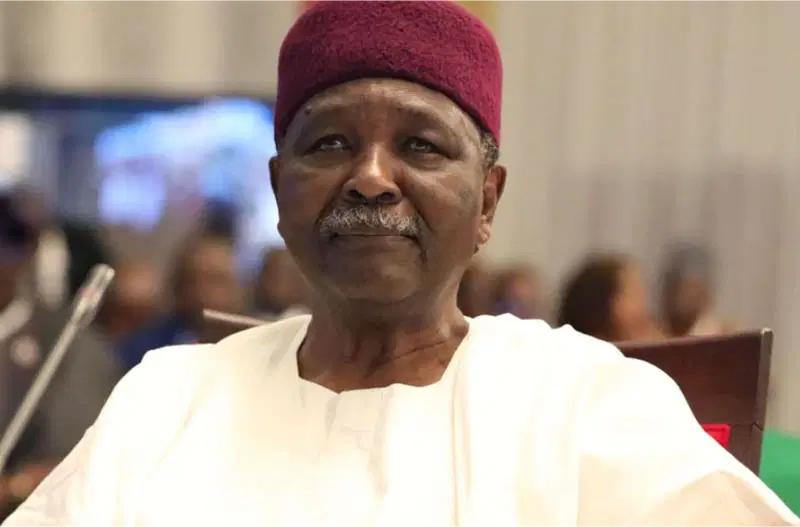
Former Head of State, Yakubu Gowon, has reopened some of the most sensitive controversies surrounding Nigeria’s Civil War, revealing how the late sage, Chief Obafemi Awolowo, played a key role in preventing the removal of then military commander, General Murtala Mohammed, during a critical battlefield crisis.
The revelations were contained in Gowon’s autobiography, “My Life of Duty & Allegiance,” where he provided detailed accounts of military decisions, internal disagreements, and political tensions that shaped the 1967–1970 conflict.
Gowon explained that during the war, Murtala Mohammed’s aggressive operational plan to cross the River Niger from Asaba into Onitsha was strongly opposed by military headquarters, which considered the operation extremely risky due to the possibility of troops being trapped and suffering heavy losses.
According to him, he personally described the plan as “suicidal” and advised alternative routes that had already been secured by federal forces. However, Murtala reportedly rejected the advice, driven by rivalry with another senior commander and a desire for battlefield success.
The operation eventually resulted in significant casualties and equipment losses after federal troops attempted the river crossing, a decision Gowon said he deeply regretted, even while acknowledging Murtala’s bravery and determination as a field commander.
Gowon also recounted a separate incident in which Murtala sent what he described as an offensive message from the battlefield to the Supreme Commander, criticising leadership decisions from the comfort of headquarters. The message, he said, angered him enough to consider relieving Murtala of his command immediately.
However, he revealed that Chief Obafemi Awolowo intervened at the time, urging restraint and advising against disciplinary action. Gowon said Awolowo’s intervention helped prevent a decision that could have significantly altered the course of the war effort.
The former Head of State further reflected on the final stages of the war and addressed long-standing questions about the fate of Biafran leader, Chukwuemeka Odumegwu Ojukwu.
He stated that he never supported the idea of capturing or executing Ojukwu, insisting that his priority after the war was national reconciliation rather than revenge. According to him, Nigeria’s unity depended on forgiveness and reintegration rather than punitive action against defeated leaders.
Gowon explained that this thinking shaped the “No Victor, No Vanquished” philosophy that guided post-war reconstruction efforts after the surrender of Biafran forces in January 1970.
He added that although the war was marked by deep mistrust, failed negotiations, and emotional divisions on both sides, the ultimate goal remained preserving Nigeria as a united country.
Gowon maintained that many of the decisions made during the war were difficult but necessary, and he continues to believe they contributed to the survival of the nation despite its painful history.
Sponsored

Related stories
 News
News
FG Seeks World Bank Guarantees for Infrastructure Financing
Nigeria’s Oyedele and Cardoso seek World Bank guarantees to attract private capital for infrastructure projects.
 News
News
Power: FG to Clear GenCos’ Legacy Debts in 2027 — Tegbe
Power Minister Joseph Tegbe says the Federal Government aims to settle outstanding legacy debts owed to electricity generation companies by 2027.
 News
News
IPO: Dangote Petroleum Refinery Extends Offer Period by Two Weeks
Dangote Refinery extends its share offer to October 27, giving investors more time to participate in the landmark IPO.
 News
News
Houthi Official Warns of ‘Swift, Painful Response’ if US Enters Yemen War
Houthi official Mohammed Al Bukhaiti threatens US interests if Washington joins Saudi Arabia’s military campaign against the group.
Comments (0)
Leave a comment
All comments are moderated before publishing. Your email is never published.