
APC Unveils Tinubu’s Roadmap To $1tn Nigerian Economy
APC says Tinubu’s $1tn economic ambition will depend on reforms, infrastructure, human capital and expanded productive capacity.

The All Progressives Congress has reaffirmed the commitment of President Bola Tinubu’s administration to transforming Nigeria into a $1 trillion economy by 2030.
The party’s National Chairman, Professor Nentawe Yilwatda, said the foundation for achieving the ambitious target was being laid through economic reforms, infrastructure development, investment in human capital and expansion of the country’s productive capacity.
Yilwatda stated this while representing President Tinubu at the second edition of the Asiwaju Scorecard Series and Policy Roundtable organised by the APC Professional Forum.
He said Tinubu inherited an economy facing major challenges, including fuel subsidy distortions, multiple foreign exchange windows, weak revenue mobilisation, foreign exchange shortages, rising debt-service pressures and years of inadequate infrastructure investment.
According to him, the administration responded with difficult but necessary reforms, particularly the removal of fuel subsidy and restructuring of the foreign exchange market.
Yilwatda said recent economic indicators showed signs of improvement, citing gross external reserves of about $52.7 billion by August 2026, increased non-oil revenue, improved merchandise trade and real GDP growth of 4.43 per cent in the second quarter.
He also noted that inflation had declined to about 15.4 per cent from its earlier peak.
However, the APC chairman acknowledged that economic stability alone was not sufficient, stressing that Nigerians must eventually experience cheaper food, more jobs, affordable credit, reliable electricity and stronger purchasing power.
He explained that the $1 trillion target should not be regarded merely as a numerical ambition but as a national development mission designed to increase production, exports, investment and employment.
Yilwatda said Nigeria must rethink its economic geography by connecting production centres, ports, markets and neighbouring countries through an integrated transportation and logistics network.
He proposed a five-port maritime and logistics corridor linking major deep-sea ports in Lagos, Ondo, Akwa Ibom, Rivers and Cross River through modern road and rail infrastructure.
He also highlighted the Lagos-Calabar Coastal Super Highway, major rail corridors, the Sokoto-Badagry Super Highway and the proposed Calabar-Maiduguri Trans-Sahara Super Highway as projects capable of expanding regional trade.
The APC chairman said improved connectivity could position Nigeria as a major logistics and trade hub for West and Central Africa while creating opportunities in manufacturing, warehousing, agriculture and distribution.
He also identified the AKK gas pipeline as critical to industrialisation, particularly in Northern Nigeria, while highlighting education funding, skills development, healthcare and solid minerals as other areas of economic transformation.
Yilwatda said the government’s objective was to move Nigeria from exporting raw materials to processing more resources domestically and capturing greater value.
He maintained that sustained reforms, investment and productivity would be crucial to achieving the $1 trillion economy target by 2030.
Sponsored

Related stories
 News
News
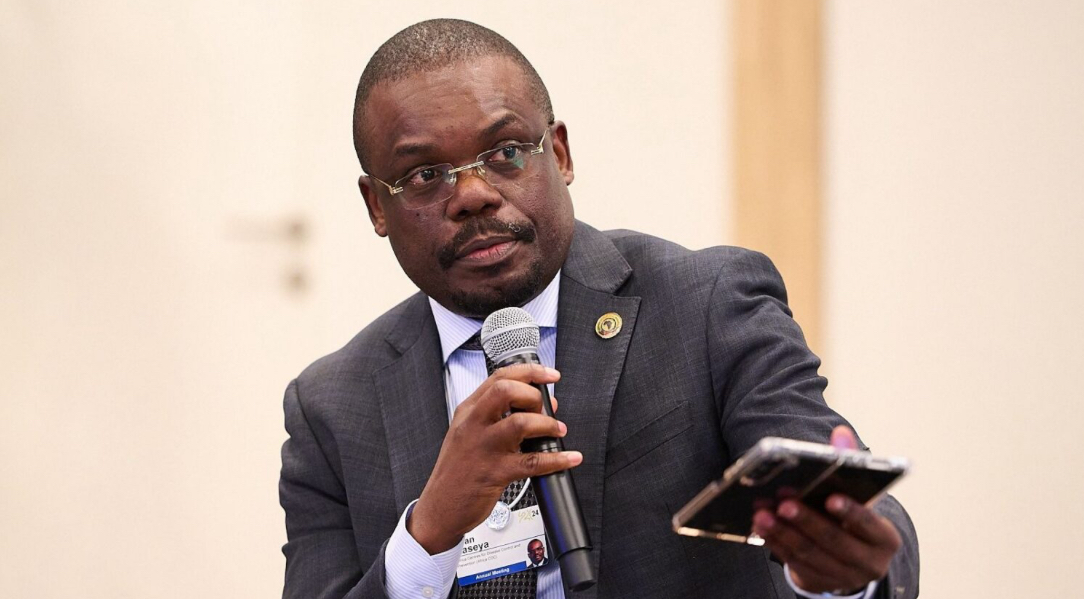
Africa CDC Seeks Urgent Global Support After Nigeria Confirms First Ebola Case
Africa CDC calls for coordinated global support as Nigeria confirms its first Ebola case, prompting contact tracing, isolation and heightened regional surveillance.
 News
News
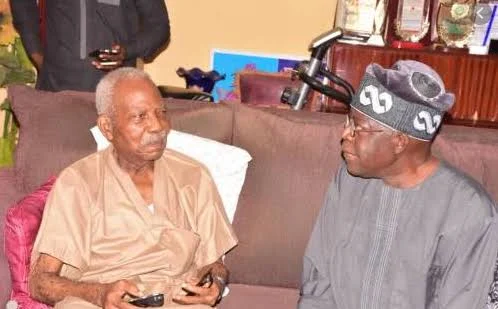
Tinubu Pays Tribute To Fasoranti, Calls Him One Of Awolowo’s Last Great Titans
President Bola Tinubu pays tribute to late Afenifere leader Reuben Fasoranti, recognising his legacy of public service, democratic activism and political influence.
 News
News
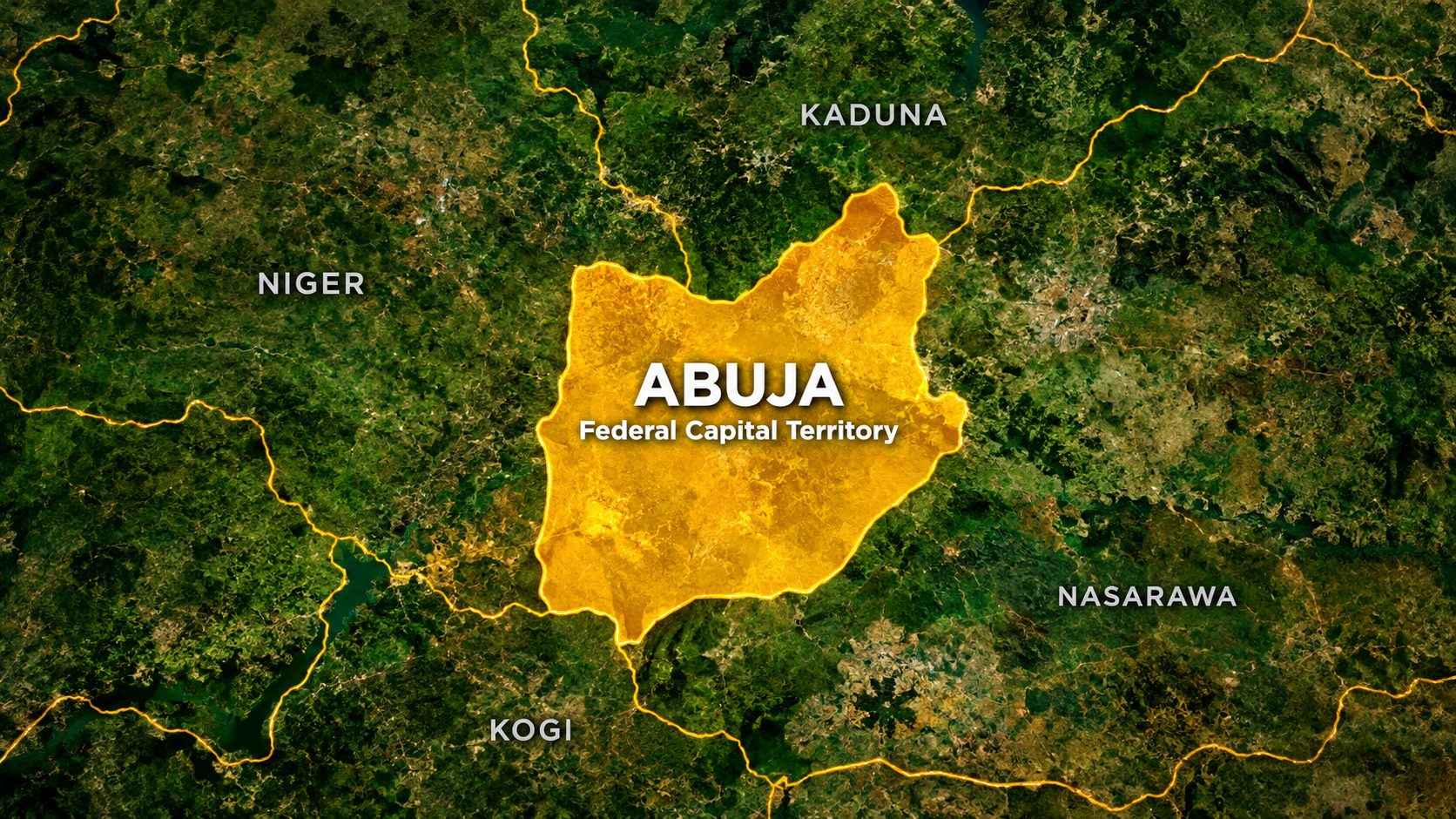
BREAKING: Ebola Confirmed In Abuja As FG Begins Tracking 44 Contacts
Nigeria confirms an Ebola case in Abuja as health authorities trace 44 contacts, isolate the patient and intensify efforts to prevent further transmission.
 News
News
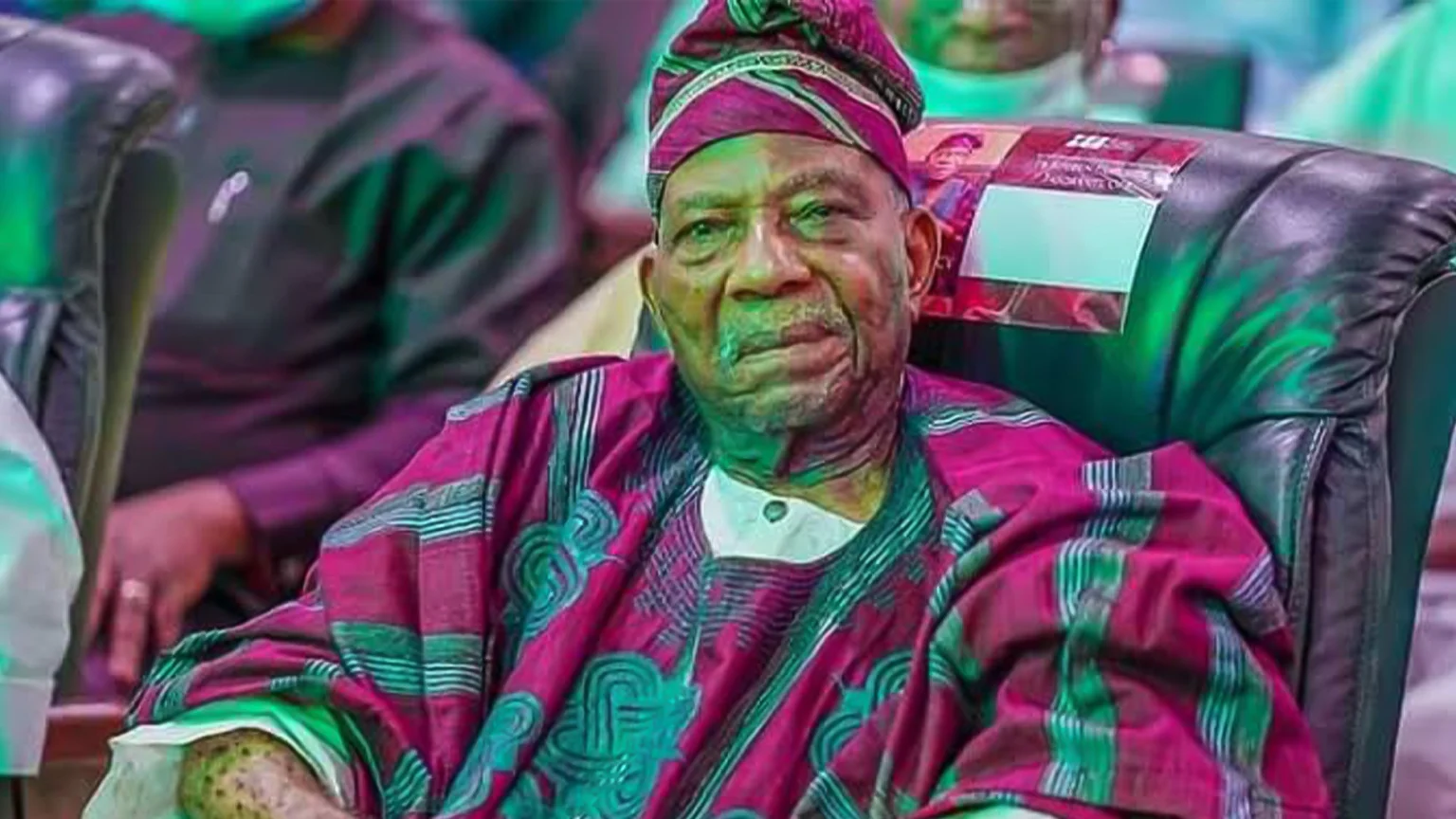
BREAKING: Afenifere Leader Reuben Fasoranti Dies At 100
Afenifere leader Reuben Fasoranti has died at 100, prompting tributes from Ondo State Governor Lucky Aiyedatiwa.
Comments (0)
Leave a comment
All comments are moderated before publishing. Your email is never published.